
The Anatomy of a Marital Controversy
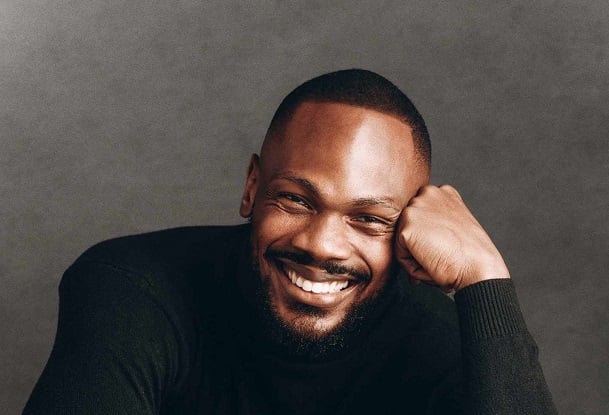
Nollywood actor Daniel Etim Effiong has ignited a massive digital firestorm across the African social media landscape following his highly controversial remarks regarding infidelity in marriage. During a recent appearance on the popular “Diary of a Ninja Girl” podcast, the celebrated actor delivered a perspective on cheating that has left millions of Nigerians and Africans in utter disbelief. Rather than condemning the act of adultery as a profound betrayal of trust, Effiong proposed a deeply unorthodox and highly criticized approach: that a woman whose husband has just committed adultery should suppress her immediate feelings of anger and betrayal. Instead, according to the actor, her primary response should be to approach her unfaithful spouse from a place of empathy, asking, “How can I help you out of this problem?” Effiong meticulously painted a narrative where a cheating husband is not a willful transgressor who made a conscious choice to break his marital vows, but rather a victim of a “problem” from which he needs to be rescued by the very woman he betrayed. When challenged by the podcast host about the betrayed wife’s right to process her own pain and trauma, Effiong doubled down, suggesting that the wife must focus on getting the husband “out of his problem” before addressing her own emotional devastation. He went as far as misapplying the biblical principle of love, stating that because “love is not self-seeking,” a wife prioritizing her own hurt over her cheating husband’s “problem” is somehow failing in her marital duty. This astonishing rhetoric has sparked widespread outrage, with critics accusing the actor of shamelessly attempting to normalize infidelity and shift the burden of accountability entirely onto the shoulders of the victimized spouse.
The Public Outcry and the Infantilization of Men
The backlash from the Nigerian public has been both swift and merciless, reflecting a growing societal fatigue with patriarchal double standards that continuously excuse male indiscretions. Social media commentators, gender advocates, and everyday citizens have fiercely dragged the actor, pointing out the dangerous absurdity of his logic. The core of the public’s anger lies in Effiong’s blatant infantilization of fully grown, married men. Critics are asking pertinent questions: Is a husband a helpless infant strapped to his wife’s back? Is it now the duty of a legally married woman to act as a rehabilitation center for a man who simply refuses to keep his zipper closed? The narrative that a woman must act as a spiritual and emotional nanny to a partner who lacks basic self-discipline has been heavily criticized as an archaic and exhausting burden placed uniquely on African women. The public has rightfully pointed out that cheating is not a mystical disease or an uncontrollable phenomenon; it is a series of deliberate, conscious choices. From entertaining a third party to booking a hotel room, infidelity requires planning and intent. Therefore, framing it as a mere “problem” that the man accidentally fell into—and from which his wife must fish him out—is an insult to the intelligence of women everywhere. Commentators have highlighted the profound psychological damage this advice can inflict, noting that asking a woman to shelve her pain to coddle her abuser is the highest form of emotional manipulation. The consensus is clear: a man’s inability to honor his vows is a reflection of his own flawed character and lack of discipline, not a puzzle for his wife to solve through endless patience, fasting, or strategic empathy.
A Pattern of Provocation and the “Will and Jada” Syndrome
For many keen observers of the Nigerian entertainment industry, this recent debacle is not an isolated incident but rather part of a troubling pattern of behavior from Daniel Etim Effiong and his wife, Toyosi. The celebrity couple has previously made headlines for their highly polarizing and often provocative discussions regarding marriage, physical attraction, and relationships. This constant need to broadcast unconventional and often harmful marital advice has led frustrated netizens to dub them the “Nollywood Will and Jada Pinkett Smith”—a reference to the American couple infamous for oversharing the toxic and confusing dynamics of their union. Critics have begun to question the underlying motives behind Effiong’s statements, wondering if this is a calculated strategy for digital engagement, a bizarre form of trauma-farming, or a genuine reflection of the couple’s household reality. Rumors have circulated about Toyosi’s alleged participation in prayer groups dedicated to “fasting away” the demons of a husband’s infidelity, further reinforcing the harmful stereotype that a man’s cheating is a spiritual attack rather than a moral failure. Observers have noted a disturbing power dynamic at play, accusing Daniel of exhibiting narcissistic traits by continuously embarrassing his wife on public platforms, secure in the knowledge that she is deeply committed to the marriage regardless of the public humiliation. This dynamic sends a catastrophic message to young African women, suggesting that true love requires the total absolute surrender of one’s dignity, boundaries, and emotional well-being to accommodate a man’s flaws. The public is pleading with the actor to put the microphone down and stick to his day job, as his unsolicited marital rhetoric is doing far more harm than good to a society already grappling with toxic relationship norms.
The Hypocrisy of Gender Dynamics in African Marriages
Perhaps the most infuriating aspect of Effiong’s podcast appearance is the glaring, hypocritical double standard it exposes within African societal norms. The question on everyone’s lips is simple: If the roles were reversed, and Toyosi was the one caught in a web of infidelity, would Daniel Etim Effiong sit her down, hold her hands, and gently ask, “How can I help you out of this problem?” The resounding consensus is an absolute no. In Nigeria, and across the African continent, a cheating woman is often subjected to immediate ostracization, public shaming, and swift divorce. There is no societal grace period for a woman to be “helped” out of her infidelity. Yet, when men like Effiong take to public platforms to pontificate about marriage, they consistently demand infinite grace, understanding, and rehabilitation for male adulterers. The public has drawn sharp comparisons to other celebrity scandals to highlight this bias. When the wife of popular media personality Frank Edoho was embroiled in rumors, society was quick to condemn her, with some men even celebrating her downfall. Conversely, when actor Yul Edochie blatantly disrespected his wife of over a decade by bringing a pregnant mistress into their lives, a significant portion of society—and even some of his peers—attempted to justify his actions under the guise of African tradition. Effiong’s advice fits neatly into this misogynistic framework, where women are expected to be the shock absorbers of their husbands’ reckless behavior. It enforces a dangerous precedent where well-dressed, seemingly articulate men use intellectual-sounding jargon on podcasts to mask the normalization of emotional abuse and betrayal.
The Imperative of Accountability and the Path Forward
Ultimately, a marriage is a sacred covenant built on the foundational pillars of trust, mutual respect, and unwavering loyalty. Infidelity shatters these pillars, leaving behind emotional scars that can take a lifetime to heal. It is fundamentally reckless for a figure with significant public influence to peddle the narrative that betrayed spouses must shoulder the responsibility of fixing their unfaithful partners. While it is true that couples can, and sometimes do, survive infidelity through immense support and counseling, that process must begin with the transgressor taking absolute accountability for their actions—not with the victim suppressing their trauma to play the role of a savior. Accountability cannot be bypassed. The rhetoric pushed by Daniel Etim Effiong lacks this crucial element of personal responsibility, favoring instead a model of marriage where the woman’s happiness is perpetually placed on the back burner. It is perfectly acceptable, and in fact necessary, for a woman to be “selfish” with her peace of mind and mental health. Cheating is a profound lack of discipline, and it is not a wife’s duty to raise the man she married. As the African digital space continues to dissect this controversy, the overarching message from the public remains resolute: Infidelity must never be sanitized, justified, or treated as a communal problem. Celebrities must recognize the weight of their platforms and refrain from projecting their flawed marital dynamics onto a generation of young people who are striving to build healthier, more equitable relationships based on true partnership, not patriarchal subservience.
If you want to see more like this in the future, copy the event link and paste it to our page so you don’t miss any news.
